
image

TL-3 TRACCs – TRUCKLOADS AVAILABLE


Used Roadside Safety Equipment

TRACC® Crash Cushions — TL-3 (Truckloads Available)

Redirective, non-gating, energy-absorbing crash cushions — galvanized all-steel construction, available by the truckload and ready to redeploy on your next project.

Truckloads Available NCHRP 350 — Test Level 3 Redirective · Non-gating Uni- or bidirectional
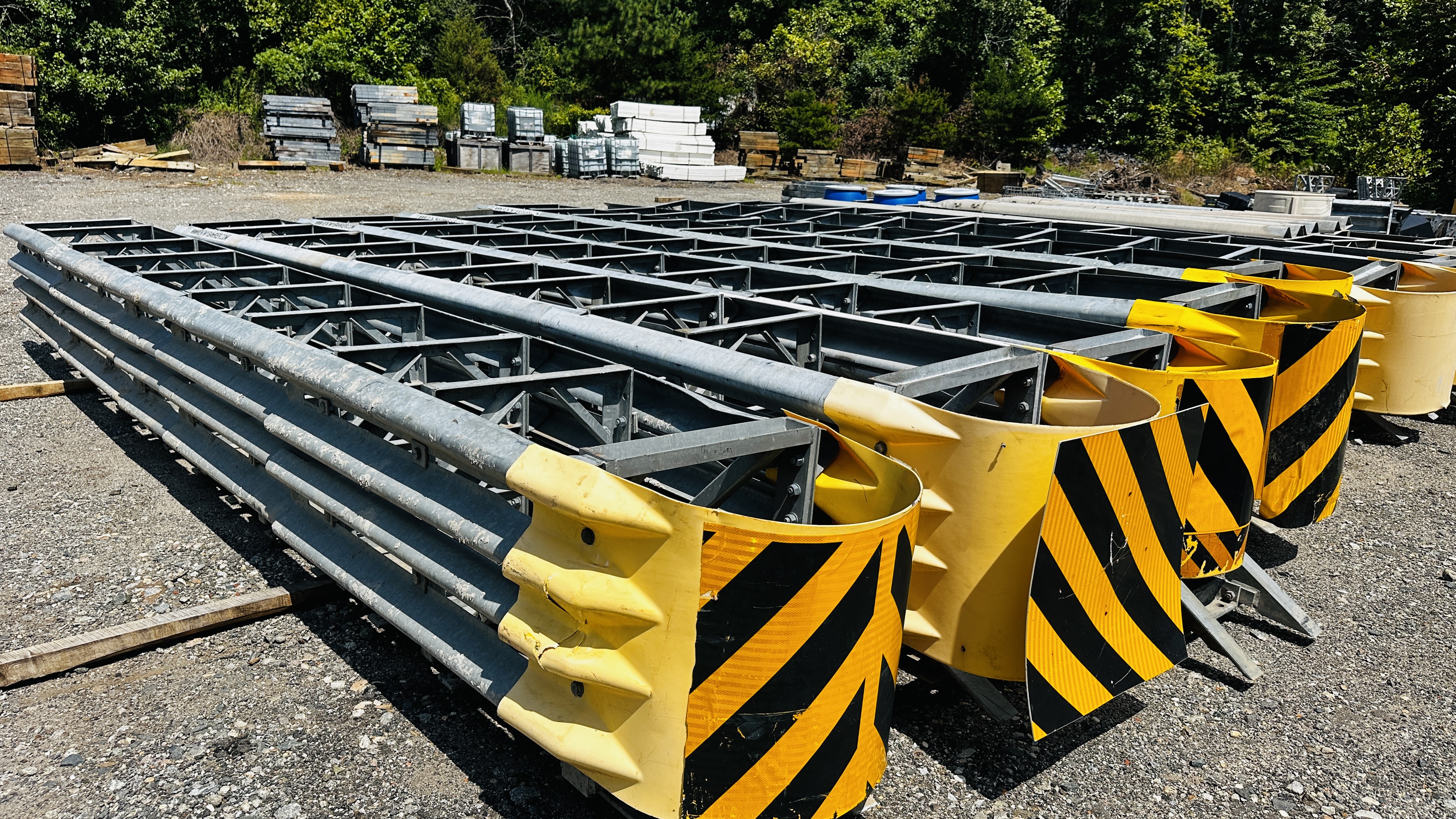
TRACC TL-3 crash cushions available from Traffic Circle

Overview

The TRACC® is a redirective, non-gating, energy-absorbing crash cushion tested to NCHRP Report 350 Test Level 3, and it can be used in either unidirectional or bidirectional applications. Galvanized all-steel construction is built for durability, and the system is designed to use fewer anchor bolts than comparable crash cushions.

The open-frame design makes installation, inspection, and repair easier, and units can be mounted on a new or existing concrete or asphalt pad. Truckloads are available now — inspect, permit, and put them straight back into service.

Available inventory

QtyModelTest levelSize
TruckloadsTRACC®TL-321’ 3″ L × 24″ W

Key features

  • Tested to NCHRP Report 350 Test Level 3 — redirective and non-gating
  • Galvanized all-steel construction designed for durability
  • Designed to use fewer anchor bolts than comparable crash cushions
  • Suitable for unidirectional or bidirectional applications
  • Open-frame design helps facilitate installation, inspection, or repair
  • Installs on a new or existing concrete or asphalt pad
  • 21’ 3″ long (6.5 m) · 24″ wide (610 mm) · 3,200 lbs. (1,451 kg)

Back-up structures & attachments

  • Concrete barrier
  • Bridge parapet
  • Bridge pier
  • Square block
  • W-Beam
  • Thrie-Beam
TRACC®, WideTRACC™, ShorTRACC™, and FasTRACC™ are trademarks of Valtir, LLC. This is an independent third-party resale listing and is not affiliated with or endorsed by Valtir. After an impact, the product must be inspected and evaluated per the direction of the specifying roadway authority. Buyer is responsible for confirming suitability, condition, and compliance with the specifying roadway authority and applicable DOT requirements prior to deployment.